Osaka Castle History 大阪城 Osaka - Japan
- hosokawadojo

- Jan 2, 2024
- 3 min read
Updated: Jan 10, 2024

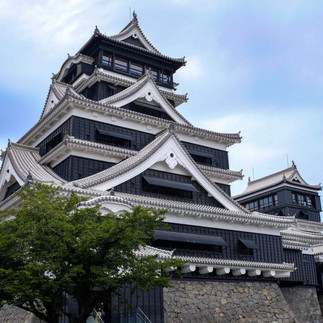

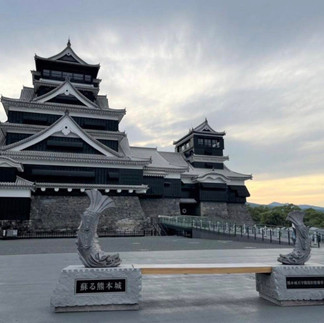

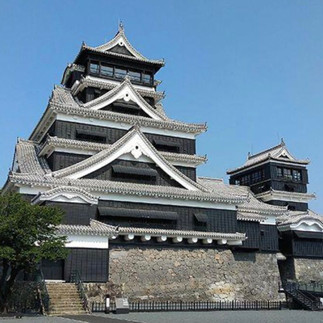
Osaka Castle was Japan's finest castle when it was constructed, and, although rebuilt in concrete, is still Osaka's most interesting sightseeing spot, and a must-see if you are in Osaka, together with the beautiful Osaka Castle Park that surrounds it - home also to the pleasant, airy Jo-Terrace Osaka restaurant and dining complex.
Osaka Castle's roots go back half a millennium ago. In 1496 the priest Rennyo of the huge Honganji Temple built monks' quarters where the castle would eventually be established.
The feudal warlord Oda Nobunaga defeated Rennyo in 1580. Nobunaga, in a triumphant climax, burnt the entire temple to the ground intending to erect a magnificent castle there; but it was the man who considered himself Nobunaga's successor, Hideyoshi Toyotomi, who actually built it three years later.
saka Castle was modeled on Nobunaga's own provincial Azuchi Castle near Lake Biwa, in Shiga Prefecture, but actually outdid Nobunaga's in size and opulence. It was gigantic for the time, with all ornaments lavishly gilded and the main rooms full of treasures. For the next fifteen years it was constantly added to, making it an architectural spectacle unprecedented in the history of Japan. Where there had been a temple town, there was now a burgeoning castle town, and Osaka became a major center of politics, trade, religion and learning.
However, the castle then weathered two wars in quick succession: a summer war, then a winter one. In 1603 the Tokugawa family eclipsed the Toyotomi family as the nation's rulers, and moved the capital to Edo (Tokyo). Ever suspicious of the Toyotomis, the first Shogun of Japan, Ieyasu Tokugawa, accused Toyotomi of treason and laid siege to his castle in 1615.
Siege of Osaka Castle
The outnumbered Toyotomis nevertheless held out in their citadel for a month, but, deadlocked, sued for peace. To seal the peace the outer moats were filled up, rendering the castle defenseless. However, not long after, the Toyotomis began digging up the filled-in moat, ostensibly to 'restore' their home. The Tokugawas saw this as tantamount to rearmament and were back in Osaka by the summer, only five months after the end of the winter siege.
The defending Toyotomis were waiting in the city itself to strike the invading Tokugawas, but were quickly driven back to their almost useless castle, overrun, and brutally massacred. To erase any trace of the Toyotomis, the badly damaged castle was taken down and completely rebuilt, the project beginning in 1620 under the second Shogun. It was specified that the walls had to be "twice as solid", and the moats "twice as deep". The mammoth effort took nine years, and involved the levying of 64 western clans for the digging of the moats and building of the walls.
Rebuilding of Osaka Castle
Each of the clans was allocated a certain length of wall to build, based onhow many bushels, or 'koku', of rice the clan produced. They were pitted against each other in order to heighten productivity, the result of which was meticulous and conscientious construction decorated with elaborately carved family crests. The walls were an addition to the original defenses of the castle and were - as they still are - remarkable for their height, their precision, and their sleek, towering profiles.
The massive stones, planed nearly paper-smooth, the largest weighing about 130 tons, were transported from all over Japan, but principally from the islands of the Inland Sea. The overcoming of the difficulties involved in quarrying, floating and dragging them such distances speaks eloquently of the levels of organization and economic development involved. The Osaka Castle Stones Michi No Eki on Shodoshima has a museum dedicated to the tools used to mine the stones, transport them as well as some of the original stones themselves. Construction of the (wooden) castle itself, however, was the preserve of the Shogun.


Comments